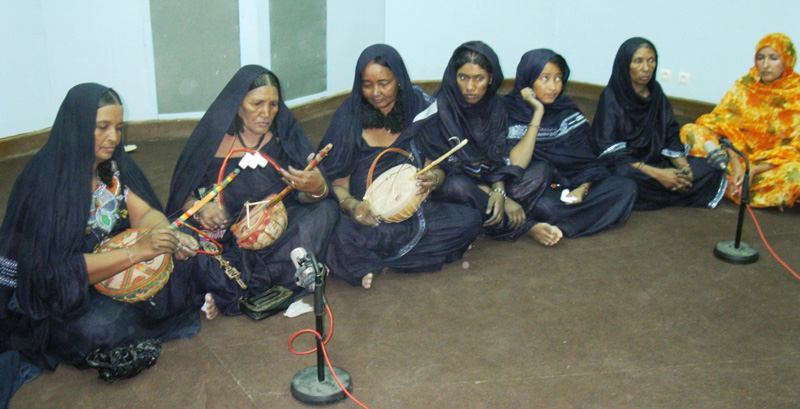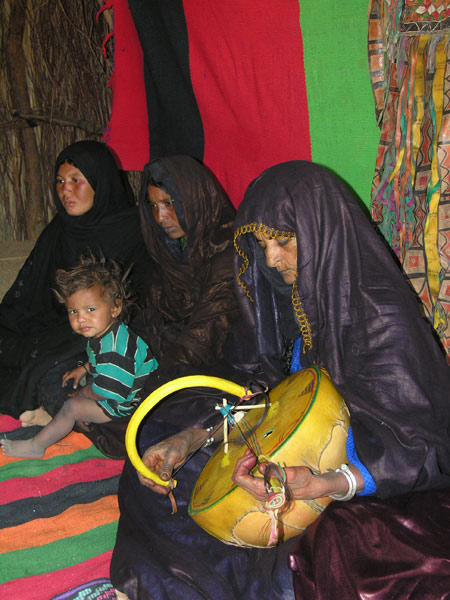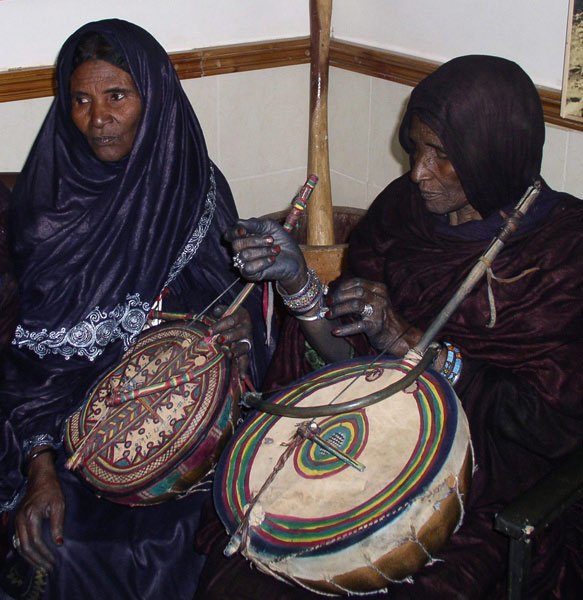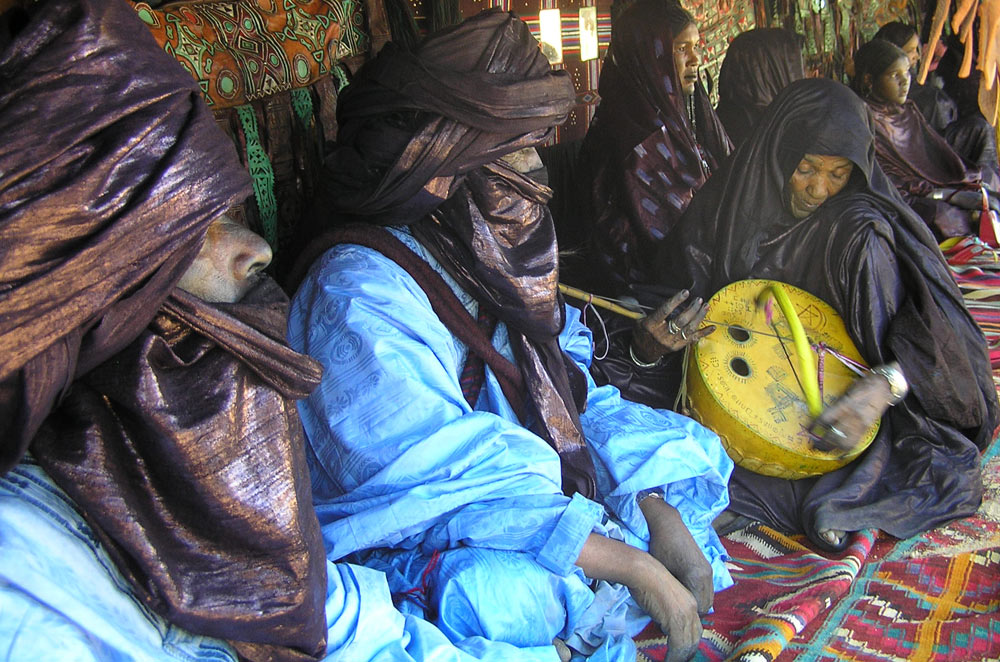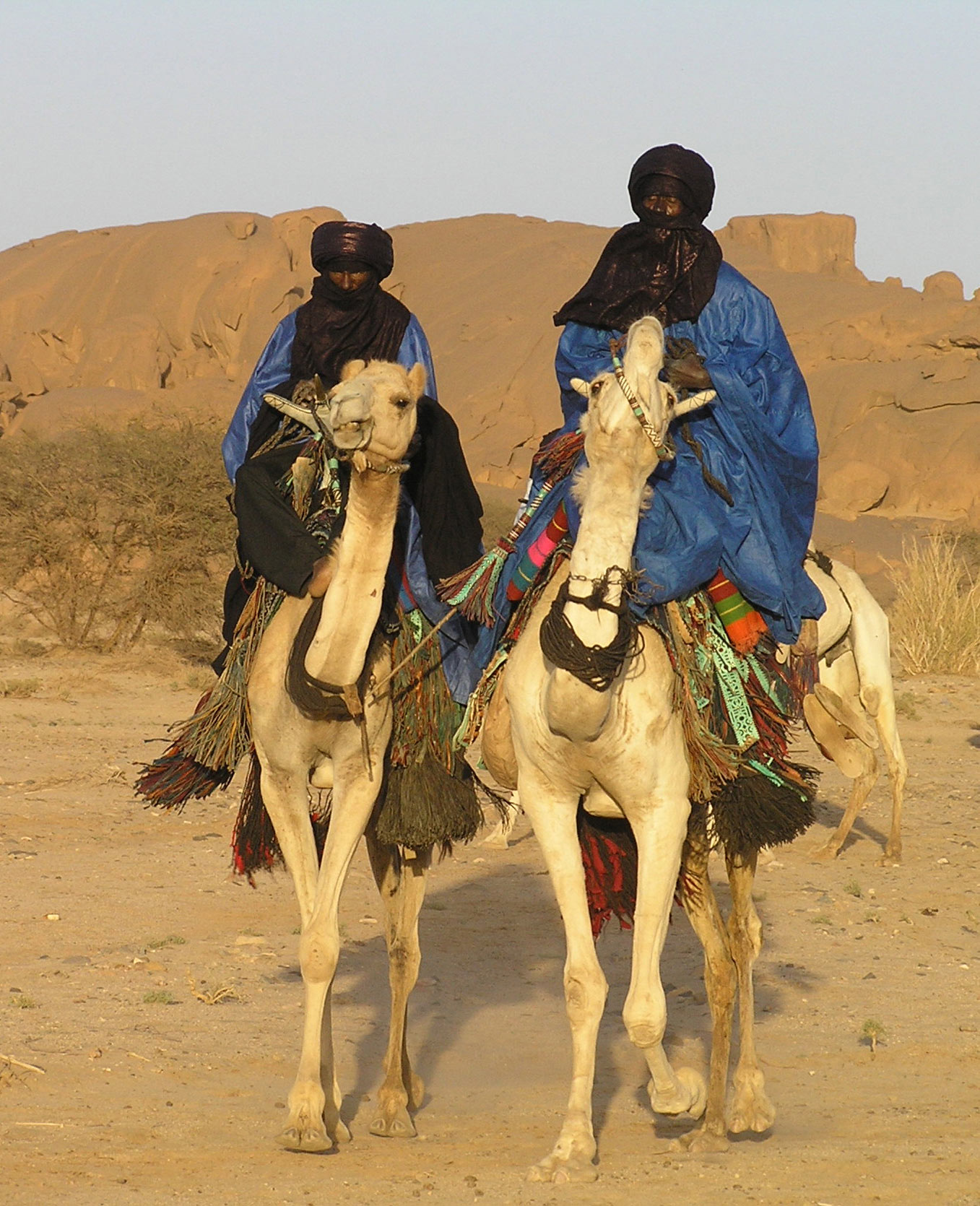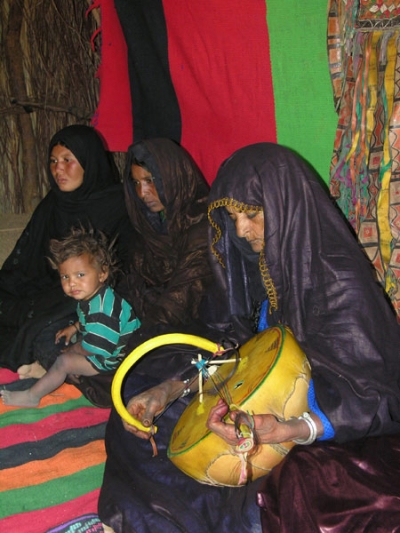
The music of the Imzad, characteristic of Tuareg communities, is performed by women using a single-string bowed instrument, also known as the imzad. The musician places the instrument on her knees and plays it while seated, using a curved wooden bow. Combining music and poetry, imzad music is often performed during ceremonies held in Tuareg encampments.
The instrument provides the melodic accompaniment to poetic or popular songs that celebrate the adventures and heroic deeds of figures from the past. These songs are often sung by men, while both men and women participate by producing modulated or high-pitched cries.
The music also serves a therapeutic function, as it is played to ward off evil spirits and to ease the suffering of the sick. The sound of the imzad reflects the performer’s emotions and state of mind, and any difficulty encountered while playing is considered a bad omen.
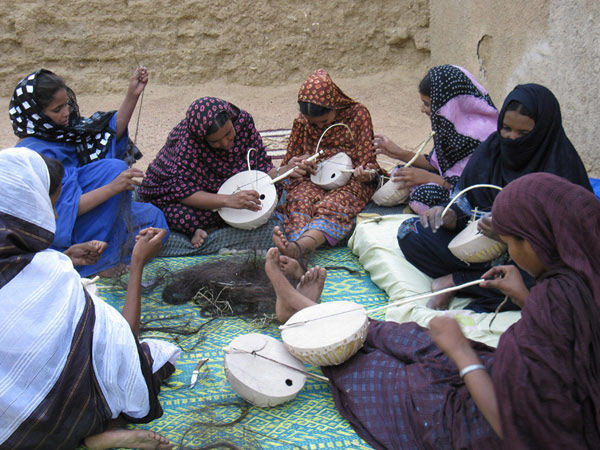
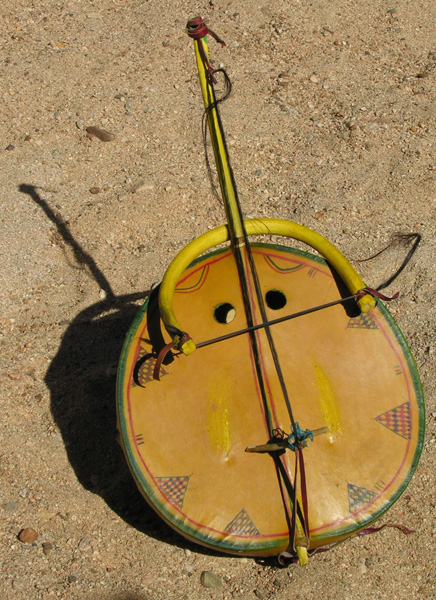
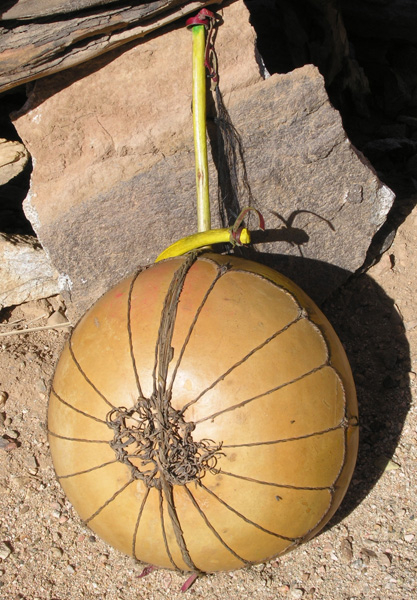
Women craft the instrument from a half calabash, dried and hollowed out. The open side is covered with stretched animal skin, pierced with two rose-shaped sound holes, and fitted with a V-shaped wooden bridge. The musical knowledge of the imzad is transmitted orally through traditional teaching methods based on observation and imitation.