- Details
- Hits: 359
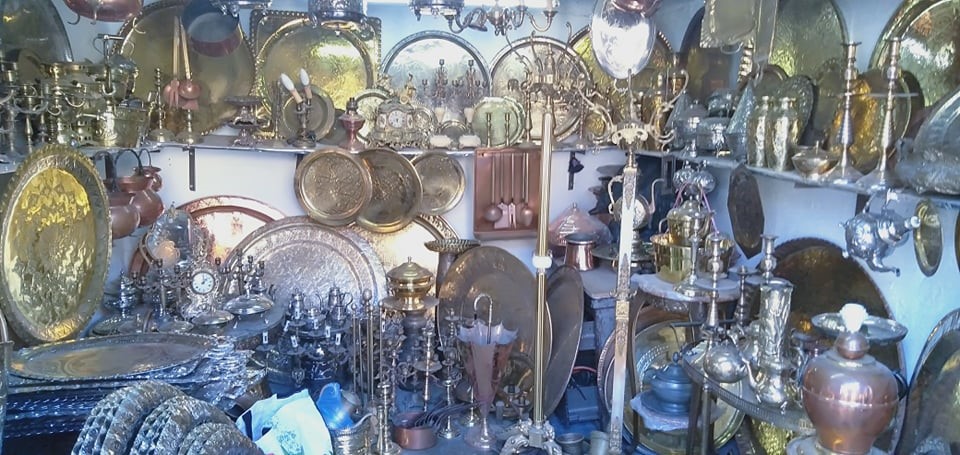
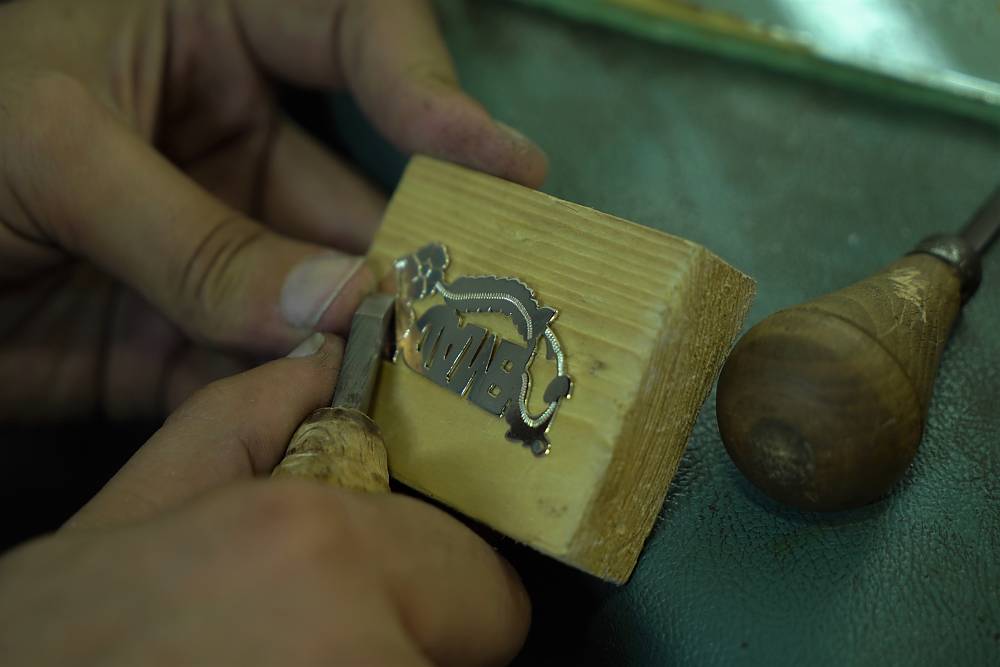
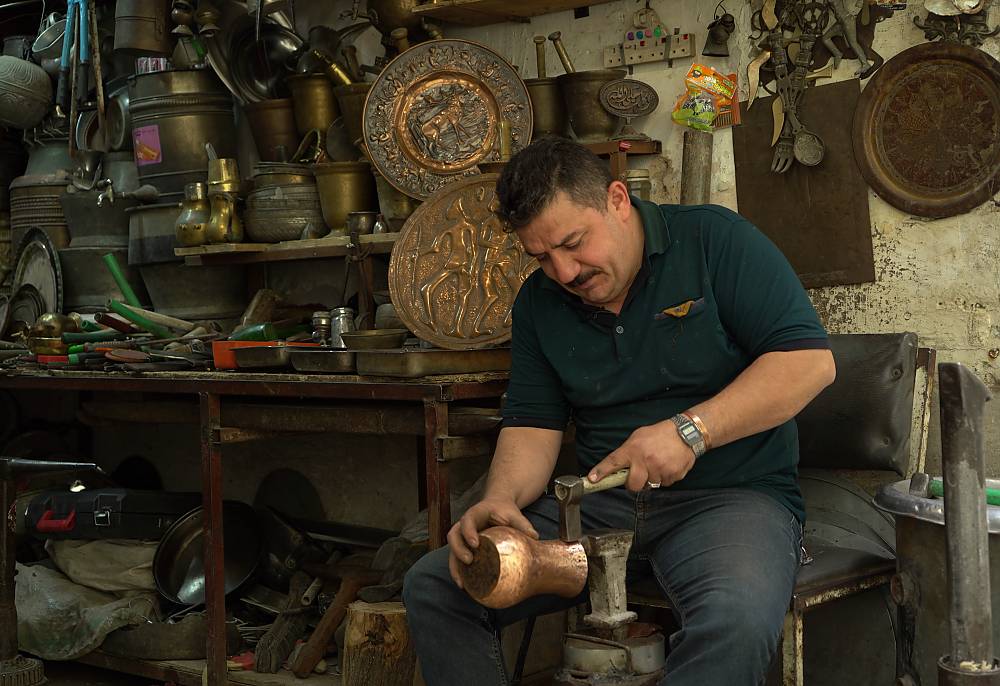
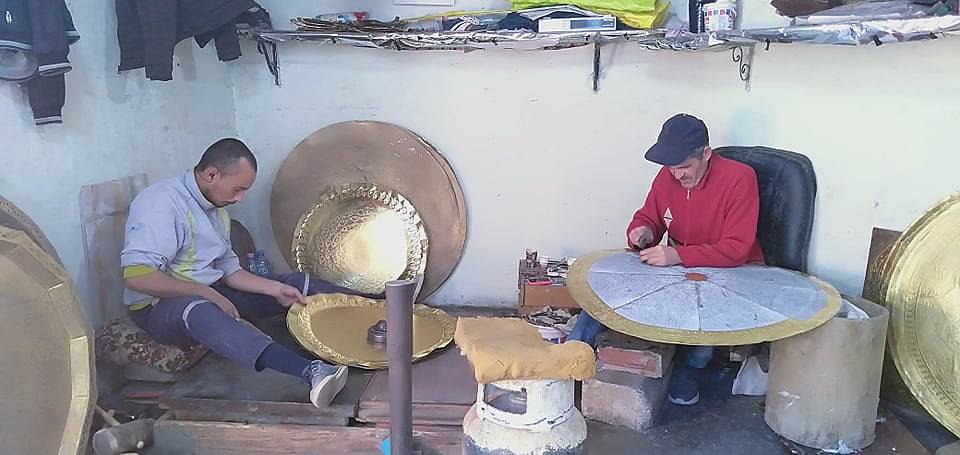
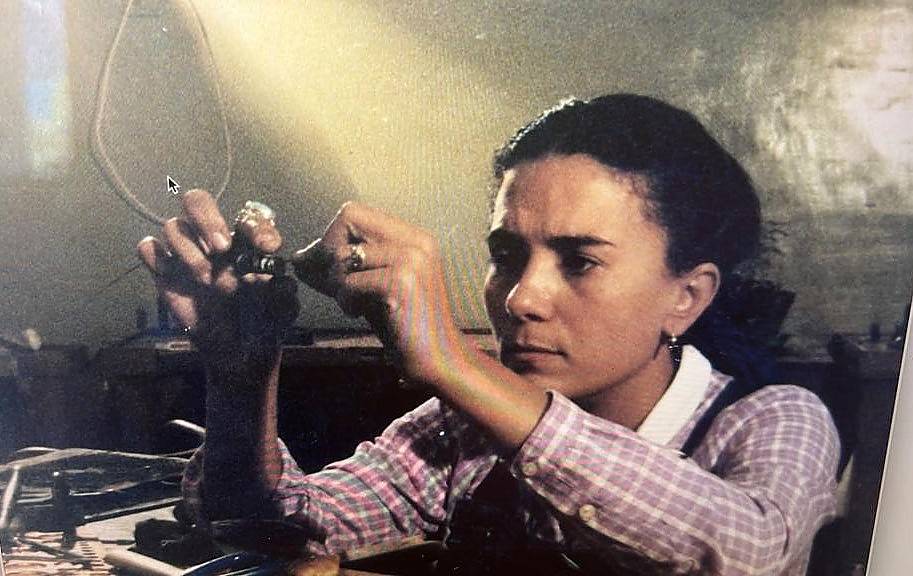
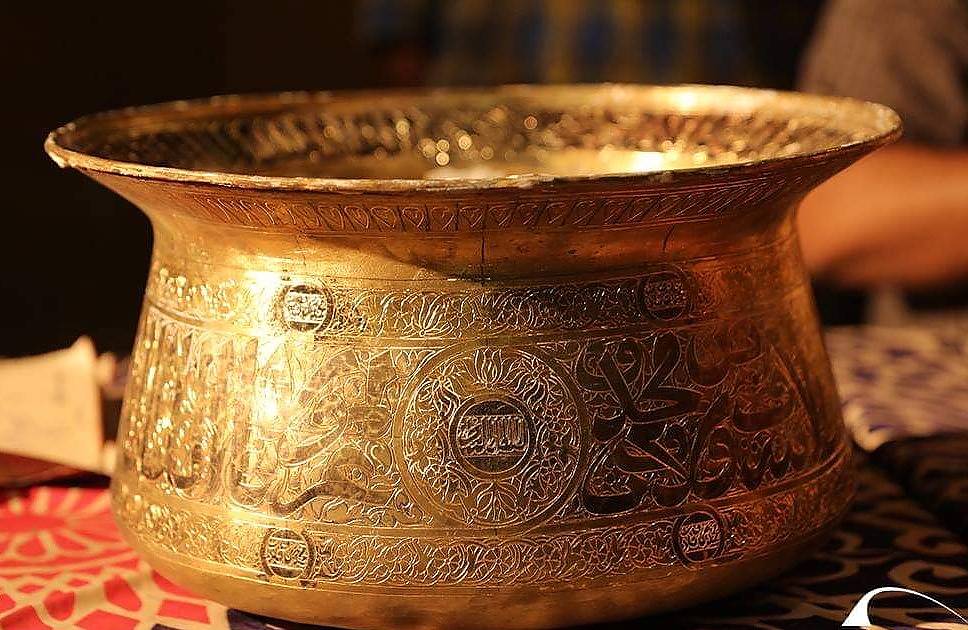
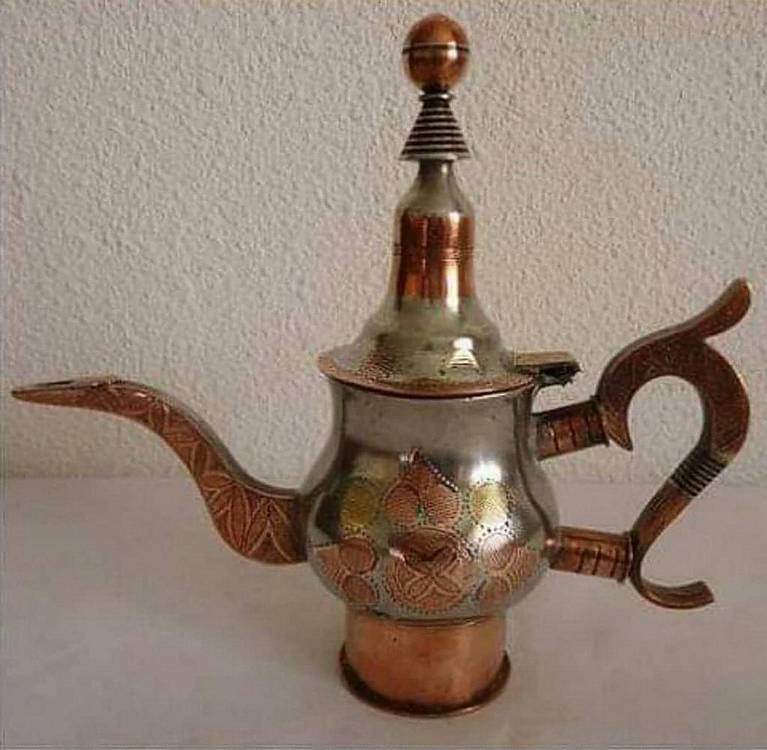
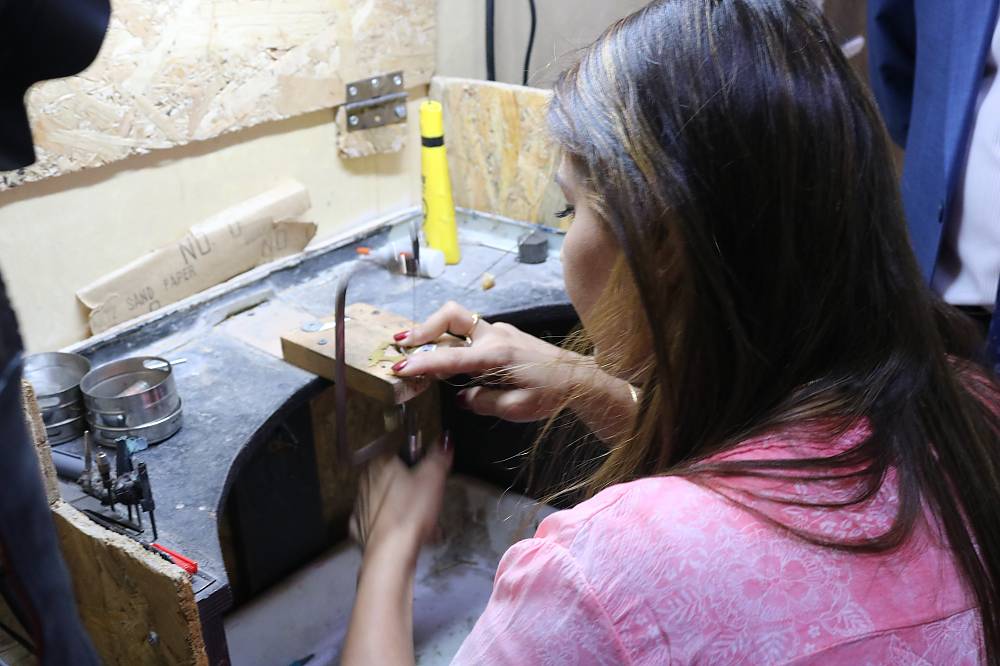
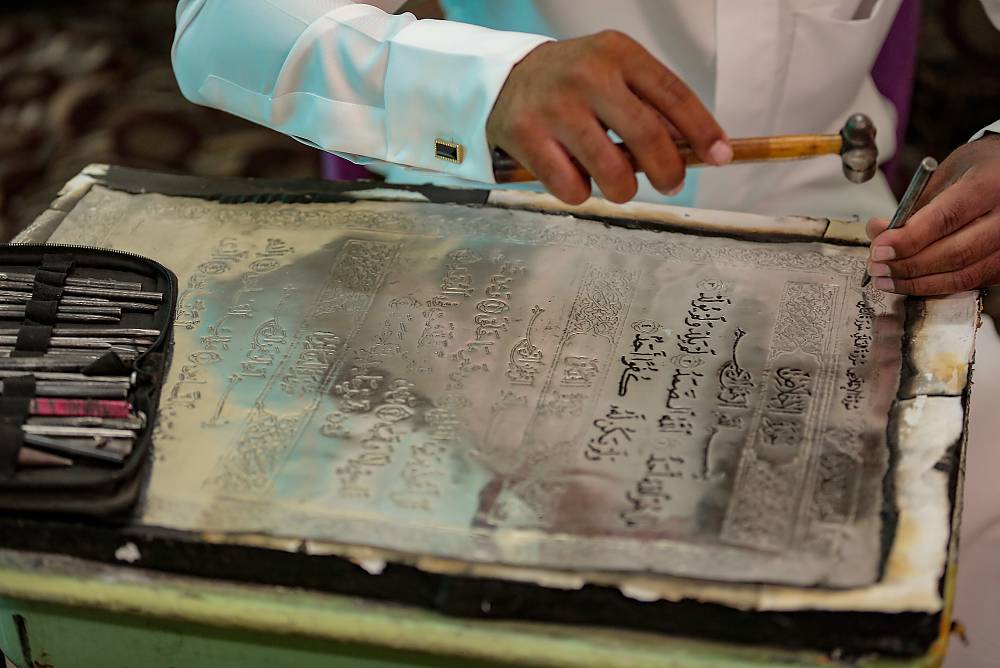
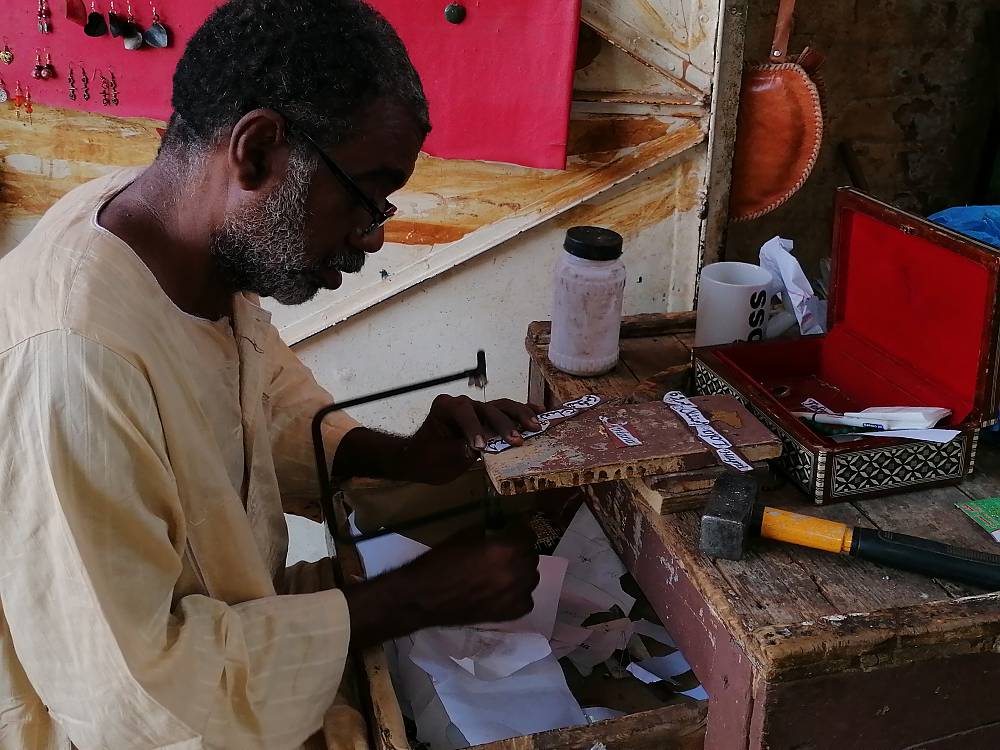
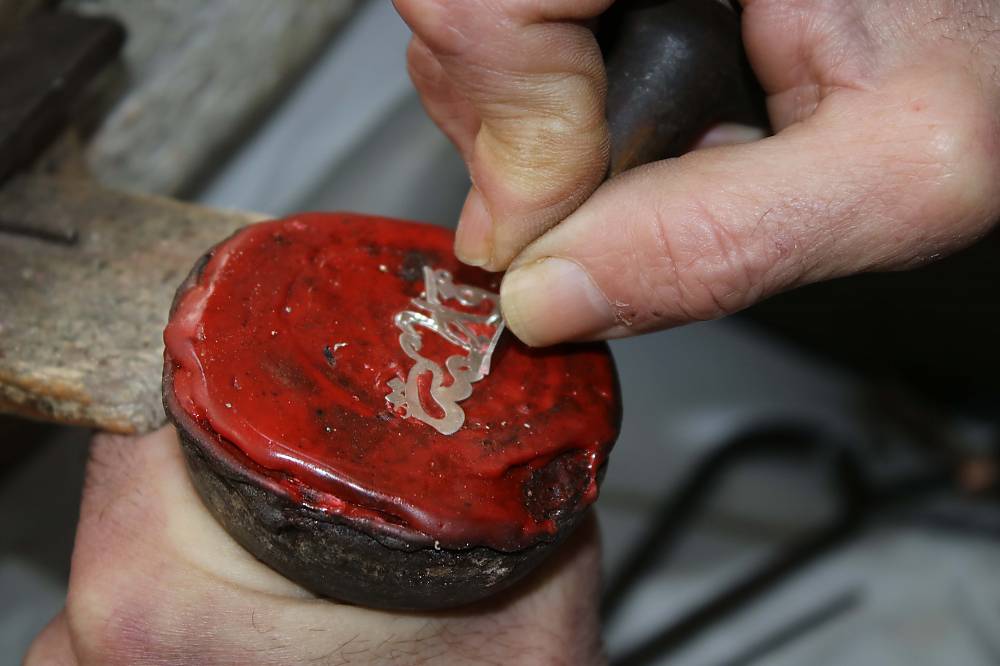
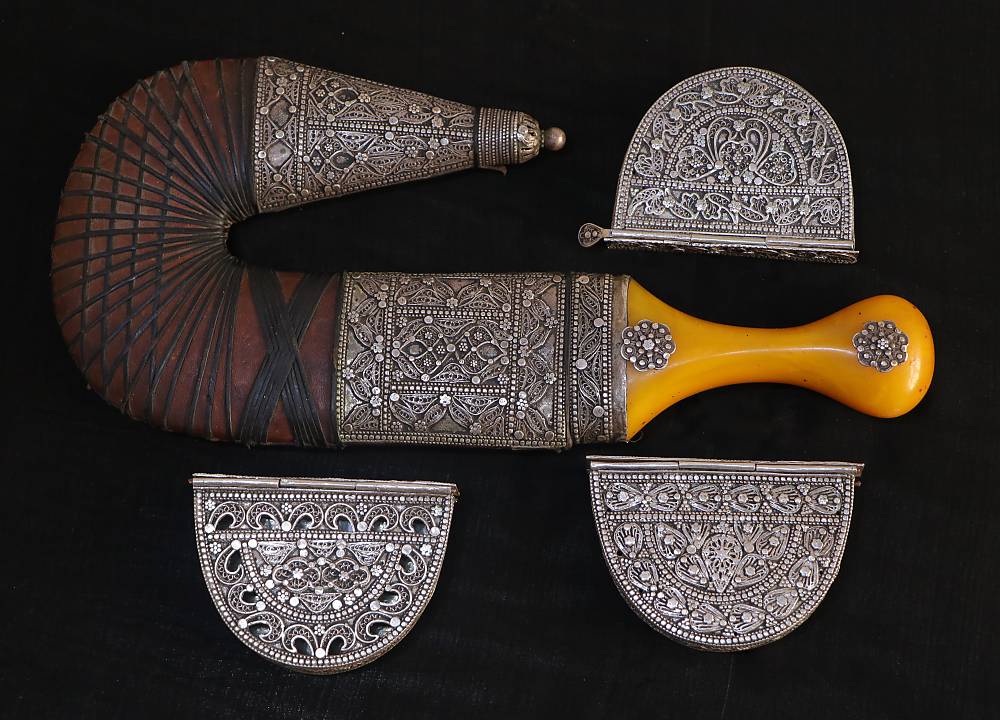
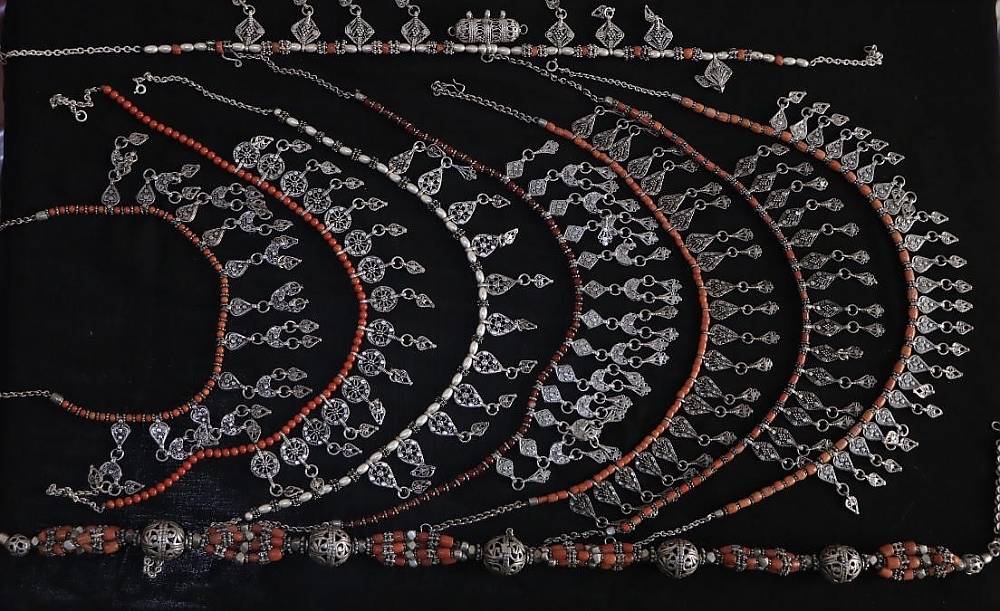
Engraving on metals such as gold, silver and copper is a centuries-old practice that entails manually cutting words, symbols or patterns into the surfaces of decorative, utilitarian, religious or ceremonial objects.
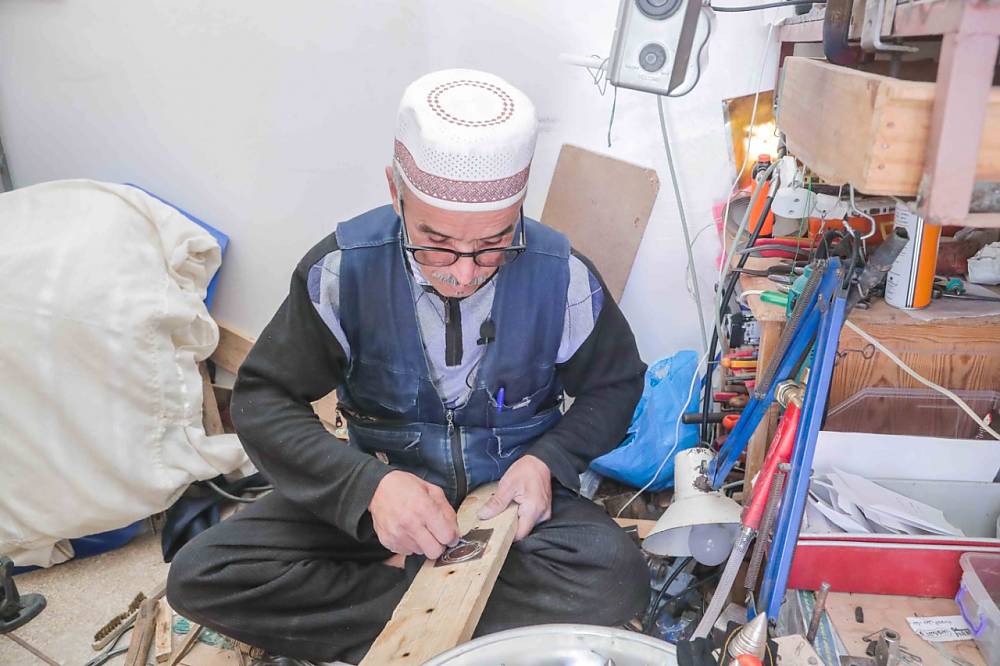
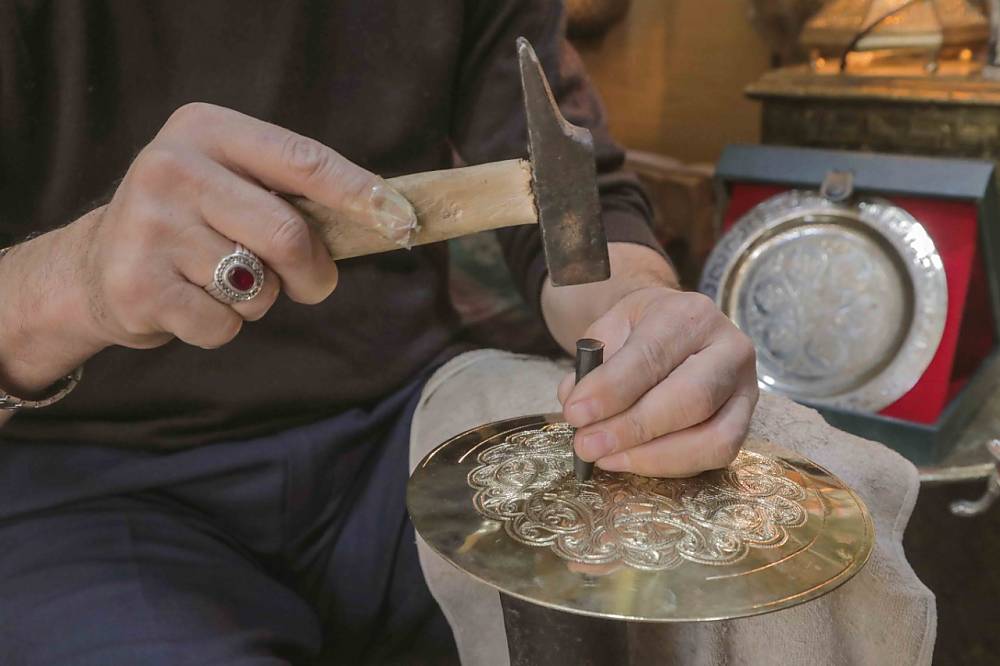
The craftsperson uses different tools to manually cut symbols, names, Quran verses, prayers and geometric patterns into the objects. Engravings can be concave (recessed) or convex (elevated), or the result of a combination of different types of metals, such as gold and silver. Their social and symbolic meanings and functions vary according to the communities concerned.
Engraved objects, such as jewelry or household objects, are often presented as traditional gifts for weddings or used in religious rituals and alternative medicine. For instance, certain types of metals are believed to have healing properties. Engraving on metals is transmitted within families, through observation and hands-on practice.
It is also transmitted through workshops organized by training centres, organizations and universities, among others. Publications, cultural events and social media further contribute to the transmission of the related knowledge and skills. Practised by people of all ages and genders, metal engraving and the use of engraved objects are means of expressing the cultural, religious and geographical identity and the socioeconomic status of the communities concerned.
Consulter la fiche d'inventaire en PDF
- Details
- Hits: 653
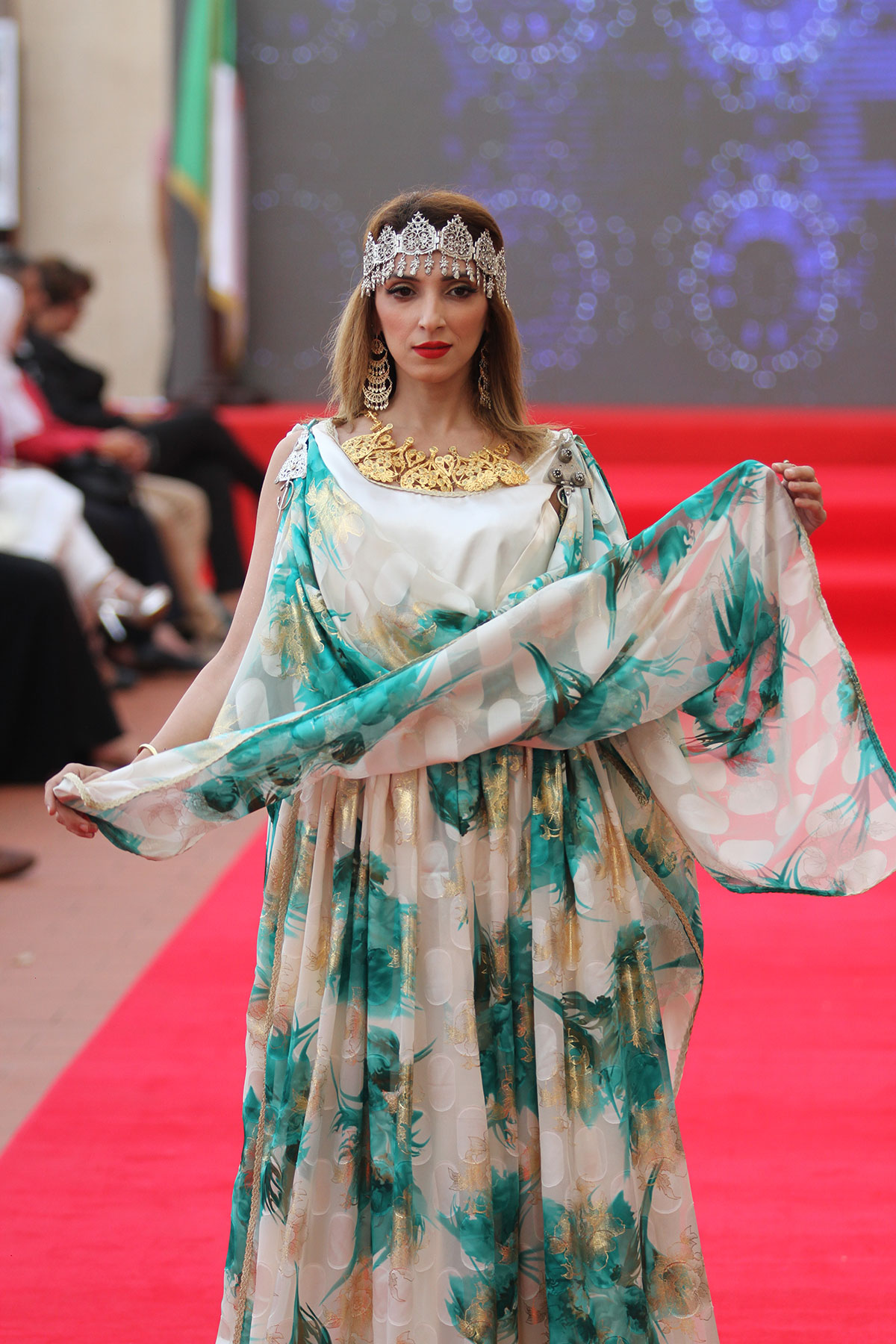
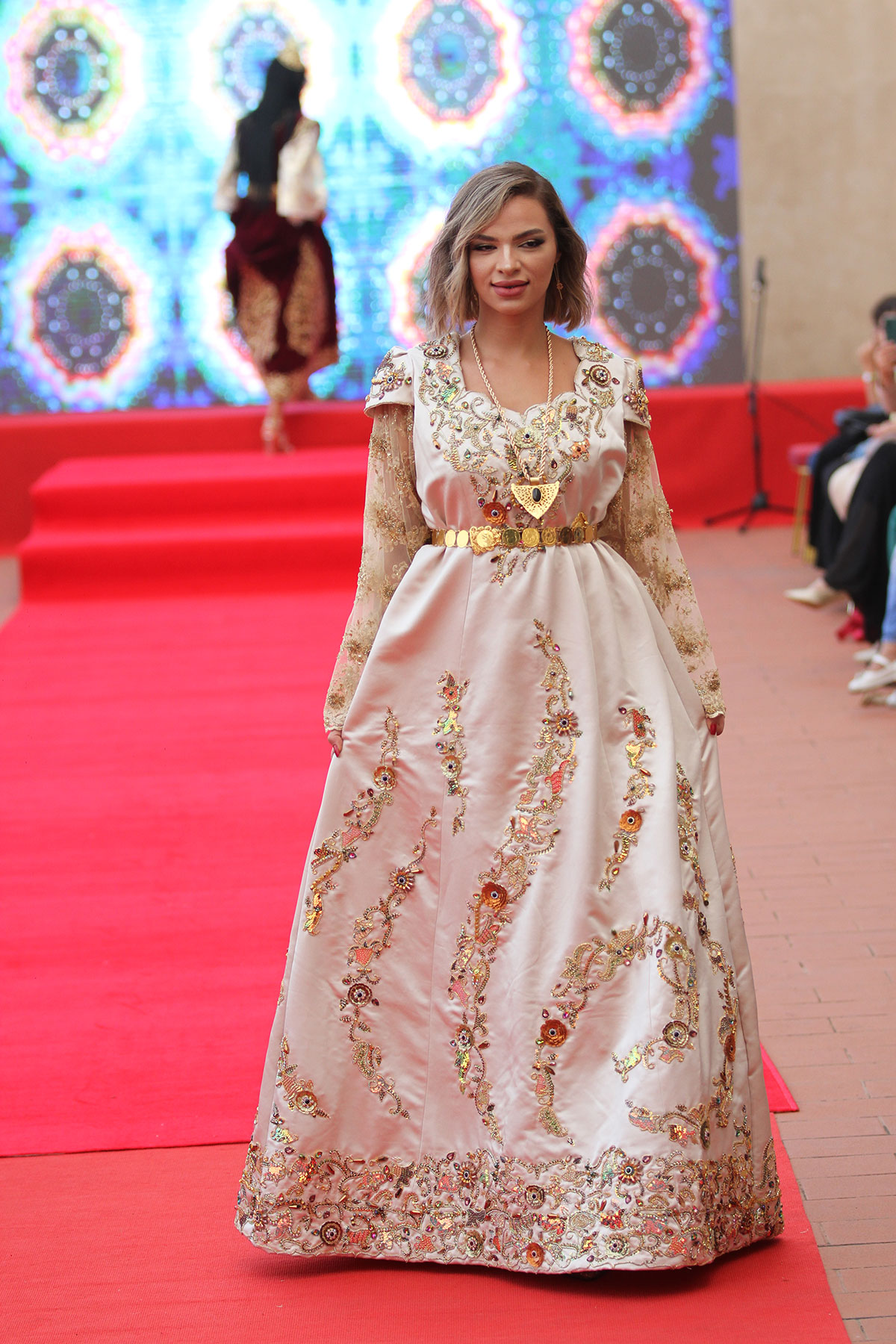
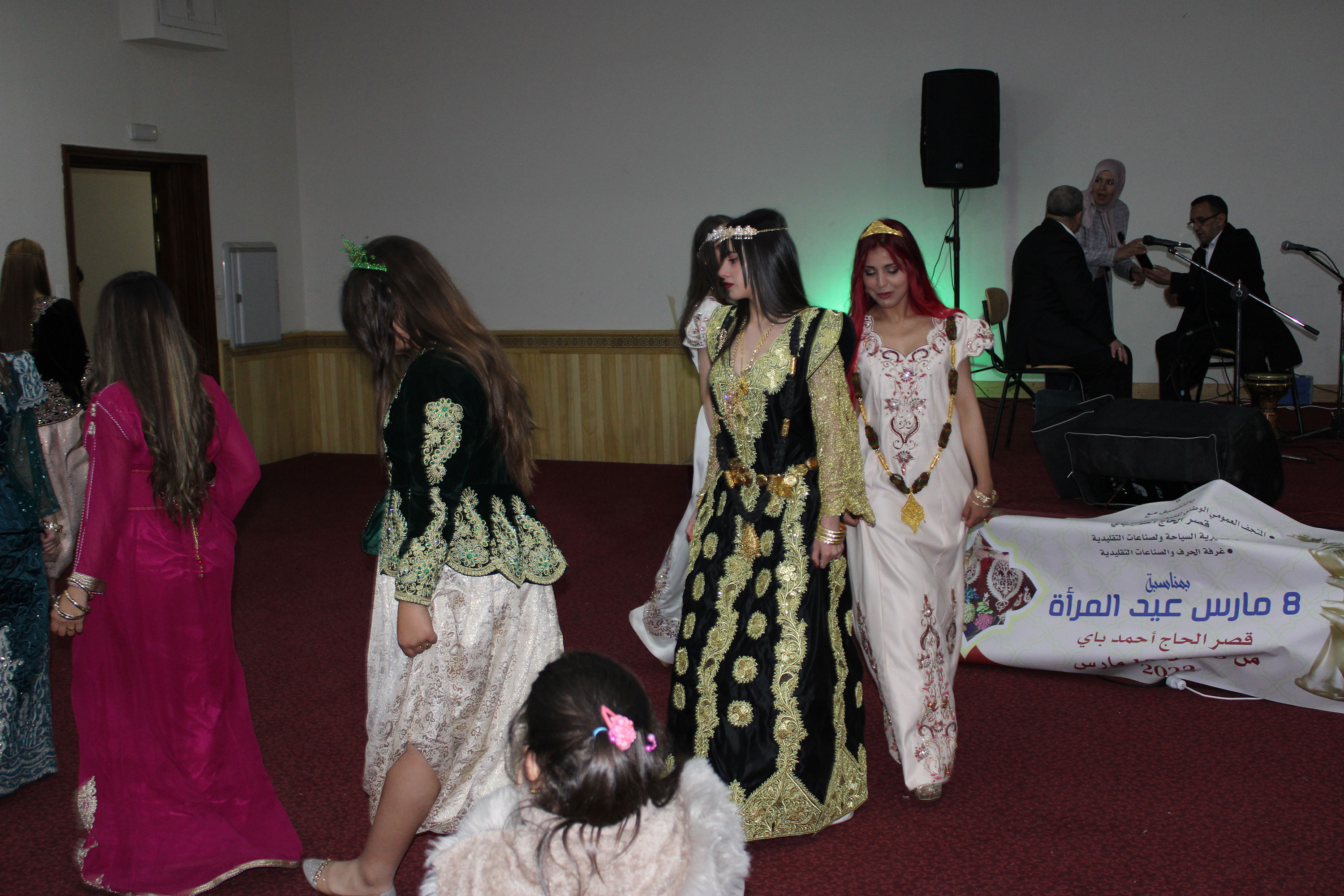
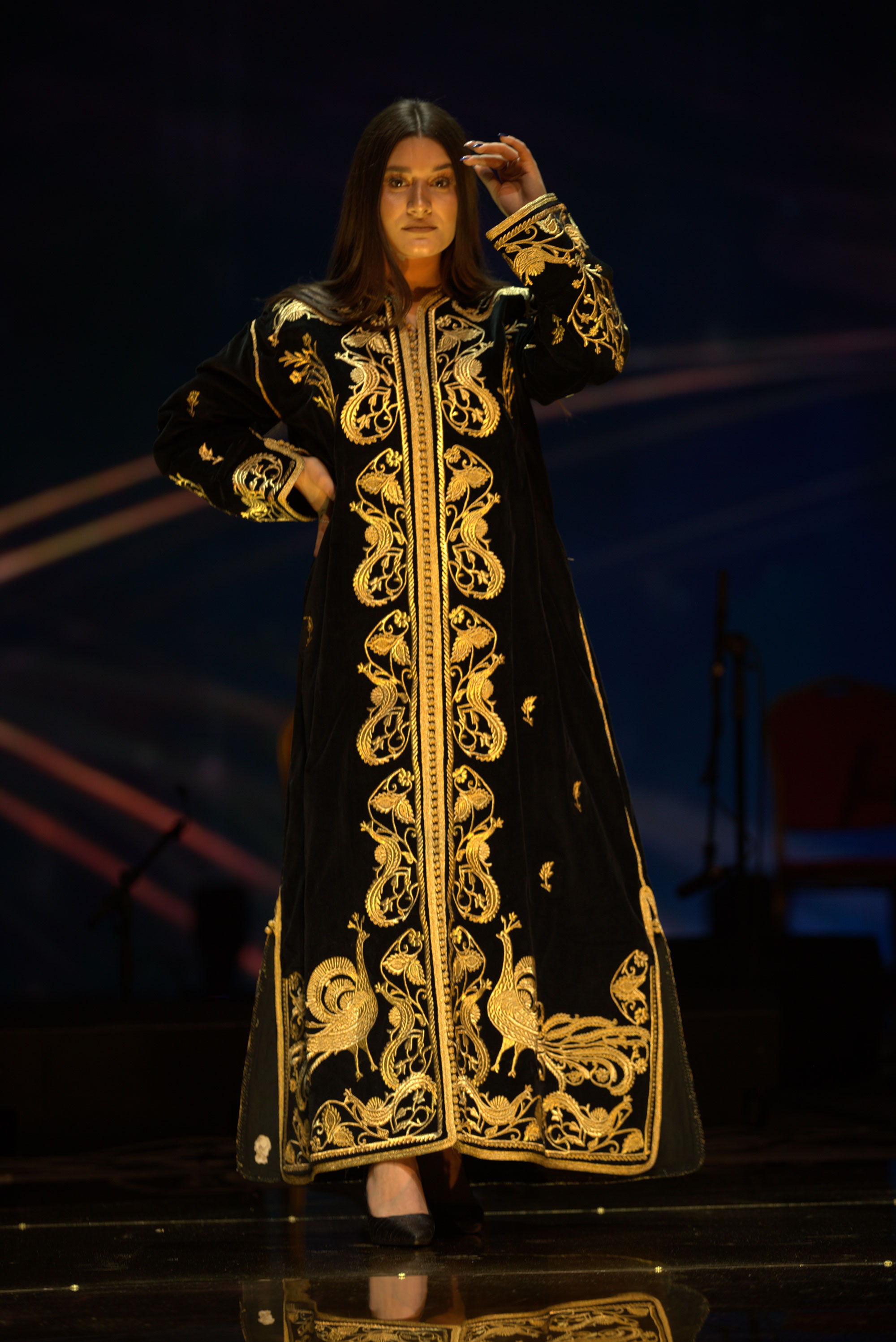
Réf : 2023/25-05-23/01 The women’s ceremonial costume in the Eastern region of Algeria: knowledge and skills associated with the making and adornment of the ‘Gandoura’ and the ‘Melehfa’
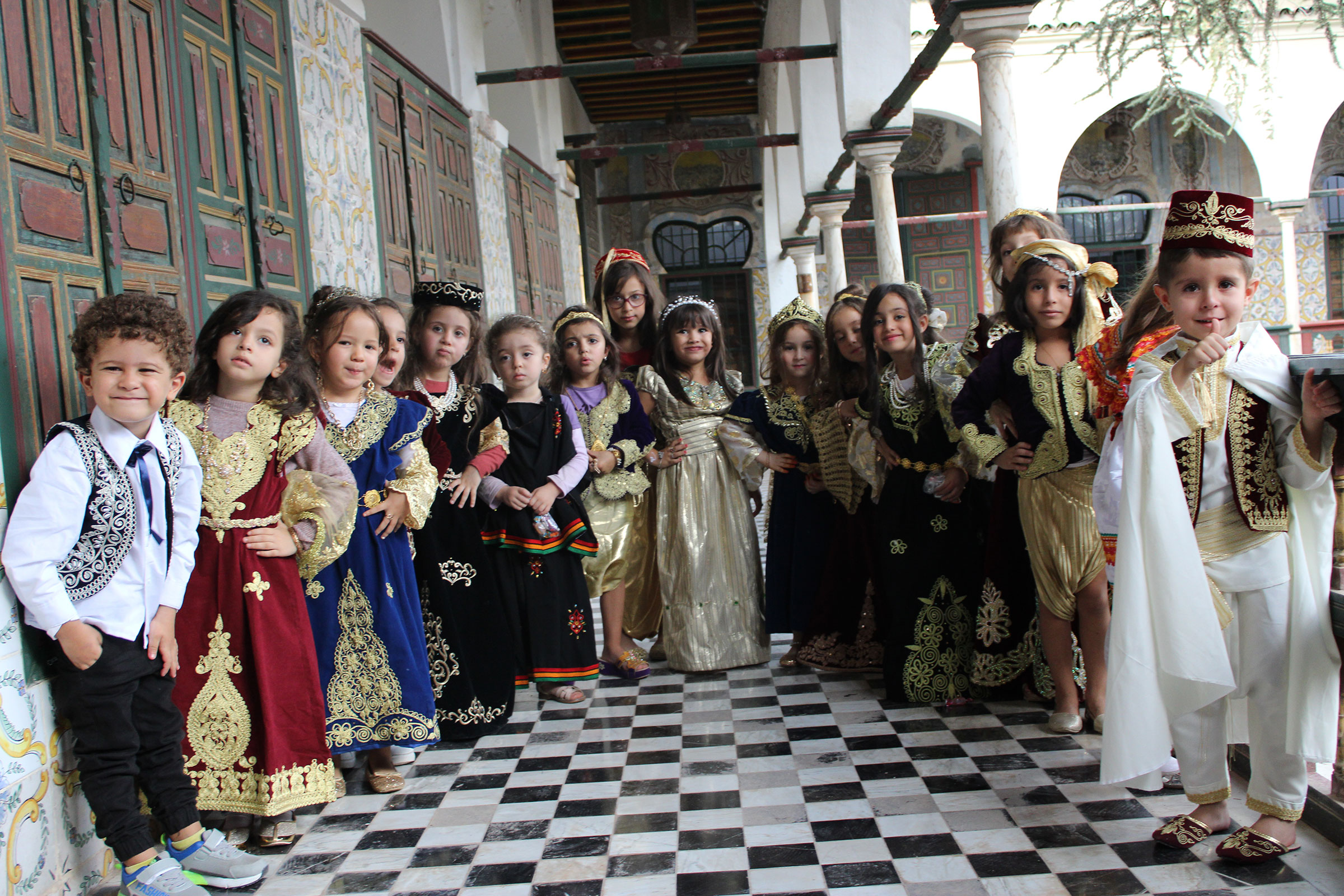
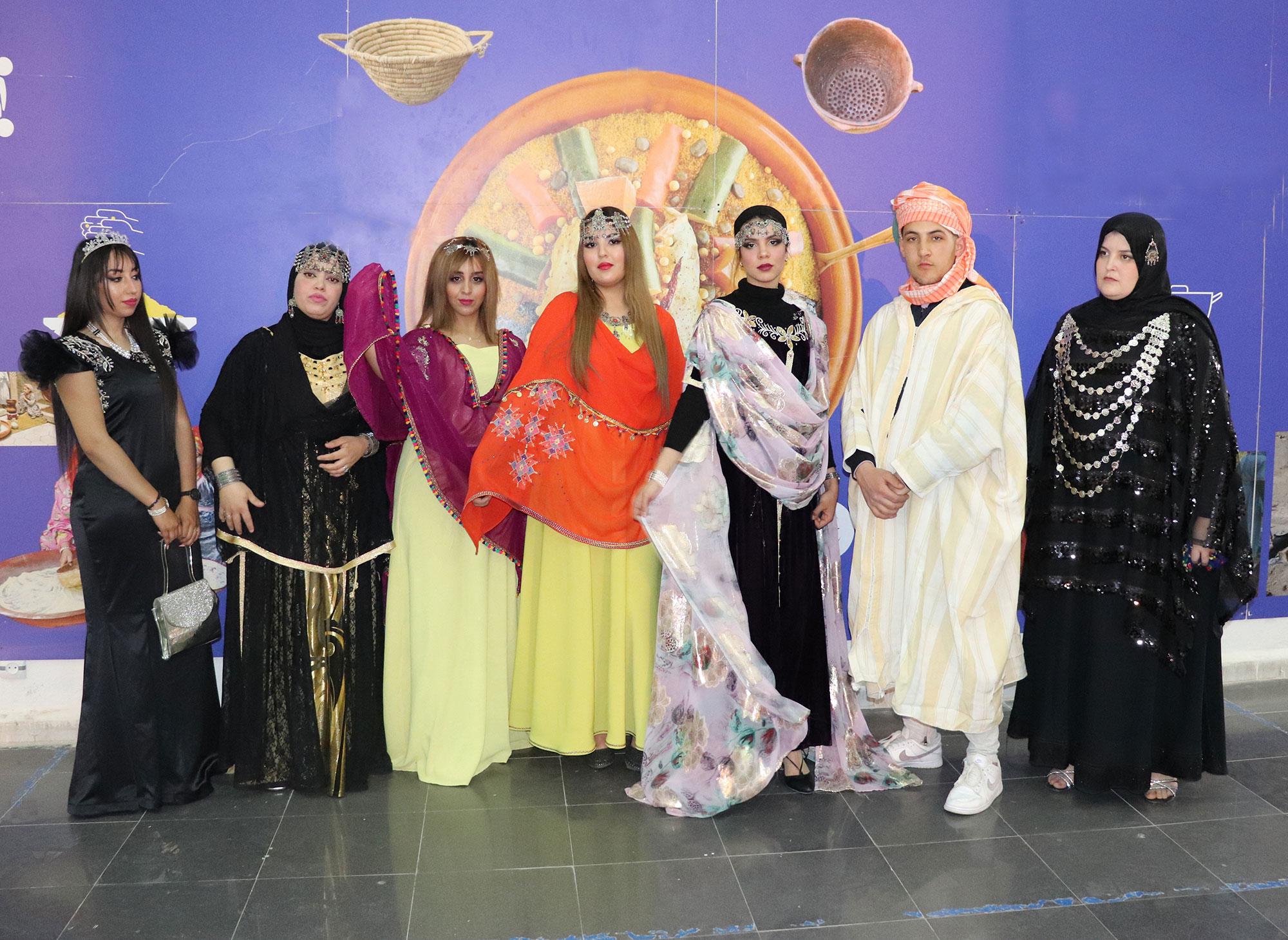
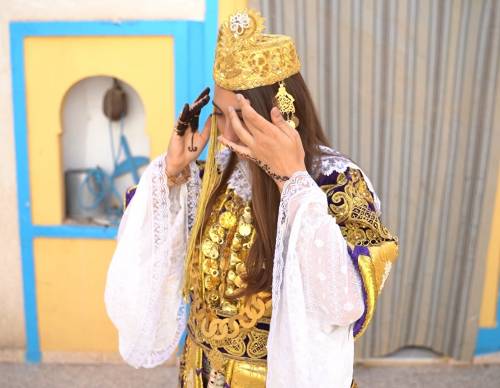
On various occasions such as celebrations, festive ceremonies, and rites of passage, urban and rural women of eastern Algeria display embroidered Gandoura and Melehfa, along with styled hair and jewelry crafted by artisans according to aesthetic norms and knowledge passed down from generation to generation.
The Gandoura, a long flared dress made of satin or velvet, is embroidered with floral and animal motifs using gold-thread techniques such as elmejboud, elfetla, tell, or beadwork. The conical headdress is embroidered with gold thread or adorned with metal pieces, a diadem (eljbine), or a medallion chain known as khit-errouh. The adornments include earrings, pearl or amber bead necklaces (skhab), and various collars. A chain is worn around the waist, bracelets (msayess) on the arms, and khelkhal anklets on the feet. Over these garments, women may wear quat and quwiyet jackets, caftans embroidered using the same techniques, or a draped covering called elhaf.
The Melehfa, a large enveloping draped garment originally without seams, is secured at the shoulders with two silver brooches (abzim) and at the waist with a long belt made of colored wool cord. The excess fabric in the upper part is folded over the chest and back. The headdress consists of a turban (guenour) or a scarf adorned with pendants or a diadem (eljbine). The ears are decorated with mcheref earrings, the arms with bracelets, and the ankles with khelkhal rings.
These decorated and adorned garments—attested since at least the 16th century—along with the associated craftsmanship and the collective ceremonial ways of wearing them, form an essential component of the cultural identity of eastern Algeria.




- Details
- Hits: 423
Num d'inventaire : 2023/16/15/DZ
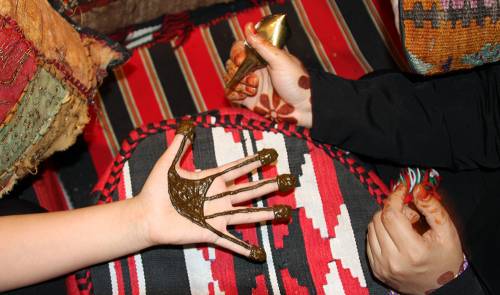
Communities across the country use the word “henna” in various dialect forms, such as al-hanna, al-hanni, or anella.
Type of element according to UNESCO’s classification
This element falls under Article 2/2/c, within the domain of social practices, rituals, and festive events, and secondarily under 2/2/e, within the domain of traditional craftsmanship, in accordance with UNESCO’s classification.
Community(ies) or group(s) associated with the element
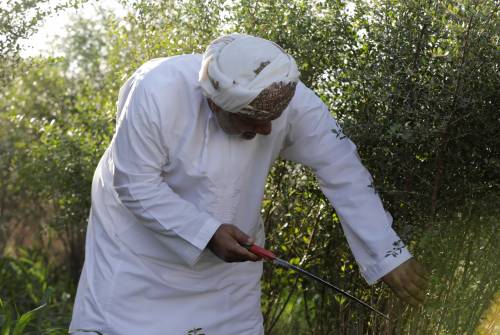
At the agricultural level, henna involves farmers—mainly men, since it is a plant cultivated in fields.
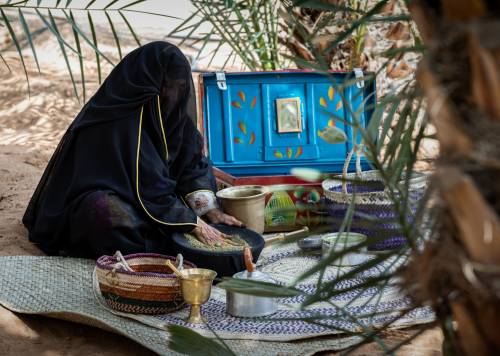
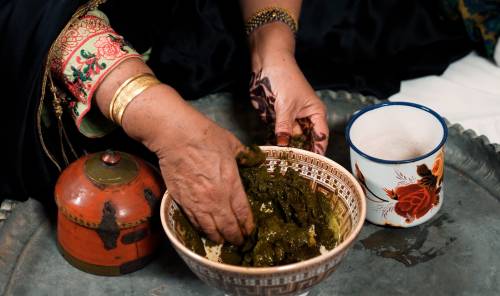
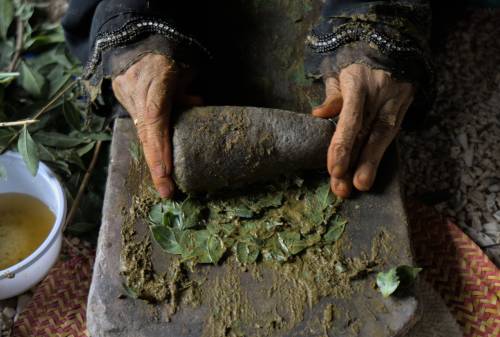
Produced on a large scale due to its frequent and widespread use, henna is ground semi-industrially with millstones operated by men. Very few women still prepare it at home using a mortar and pestle.
Commercially, shops selling artisanal products are mostly held by men, though some women also work in sales.
However, these two aspects remain minor compared to the social and cultural dimension of henna, which is almost exclusively carried out by women.
Although the groom’s henna is applied by men, it is women who purchase and prepare the mixture that will be applied.
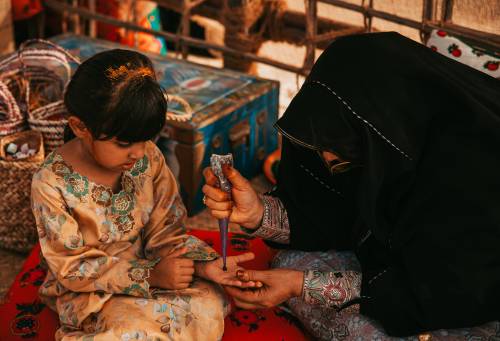
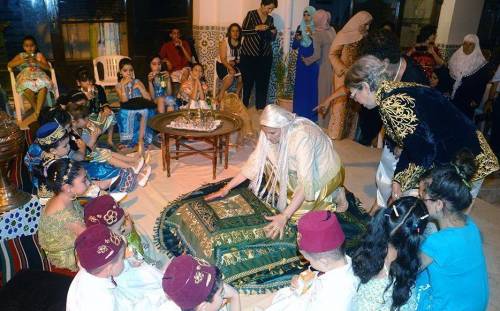
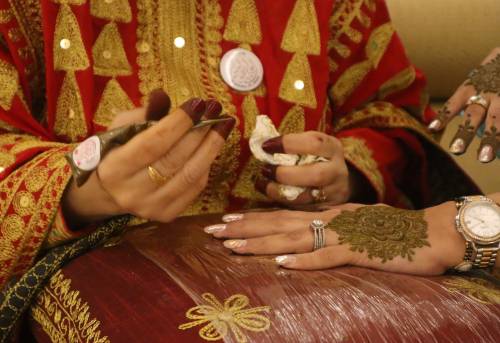
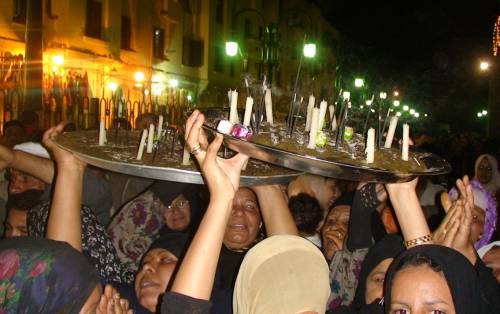
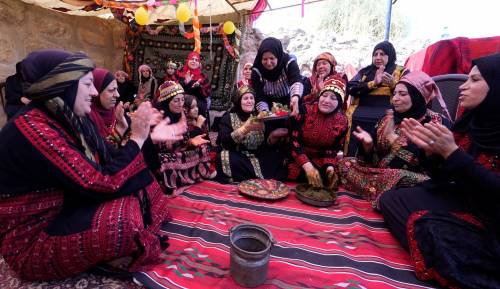
Besides this exception, women perform all tasks related to henna. They prepare and apply henna for the bride, for circumcised children, and for offerings made to zaouias. To mark religious rituals (the two Eids, the Mawlid, Ashura, etc.), it is usually the mistress of the house who prepares the mixture, which will then be used by the whole family.
Women also prepare henna outside ceremonial contexts, for medicinal purposes, such as treating white hair or applying it to the lower limbs.
Physical location of the element
The practice and ritual of henna are present within communities throughout Algeria. However, its agricultural cultivation is mainly found in areas rich in water: in the High Plateaus such as Sétif and M’Sila, in the Ghoufi gorges, or near the desert, for example in Zribet El Oued (Biskra).
Henna is a plant that requires abundant water and grows in temperate climates. It can reach up to 2 meters in height once a certain temperature is reached.
The plant dies below 5°C.
- Details
- Hits: 384
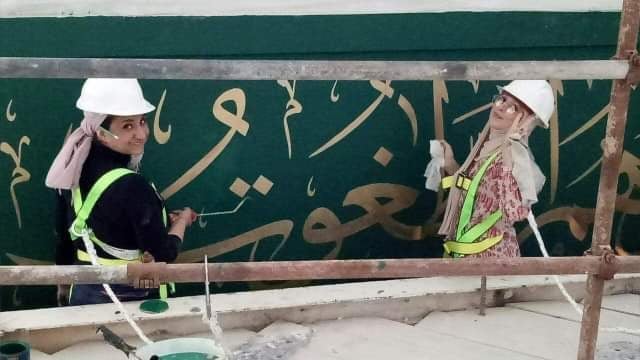
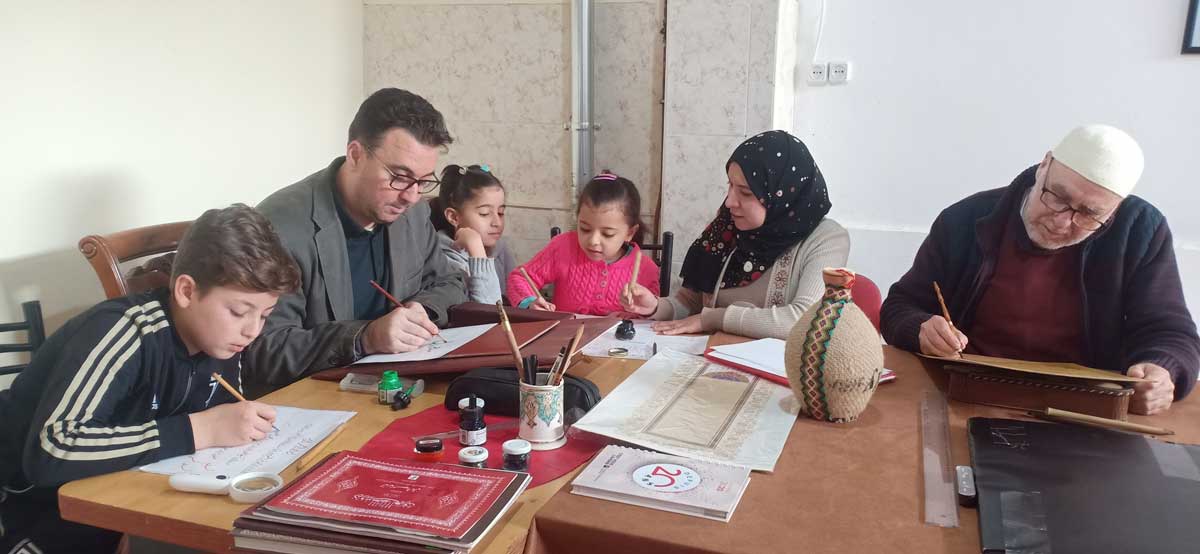
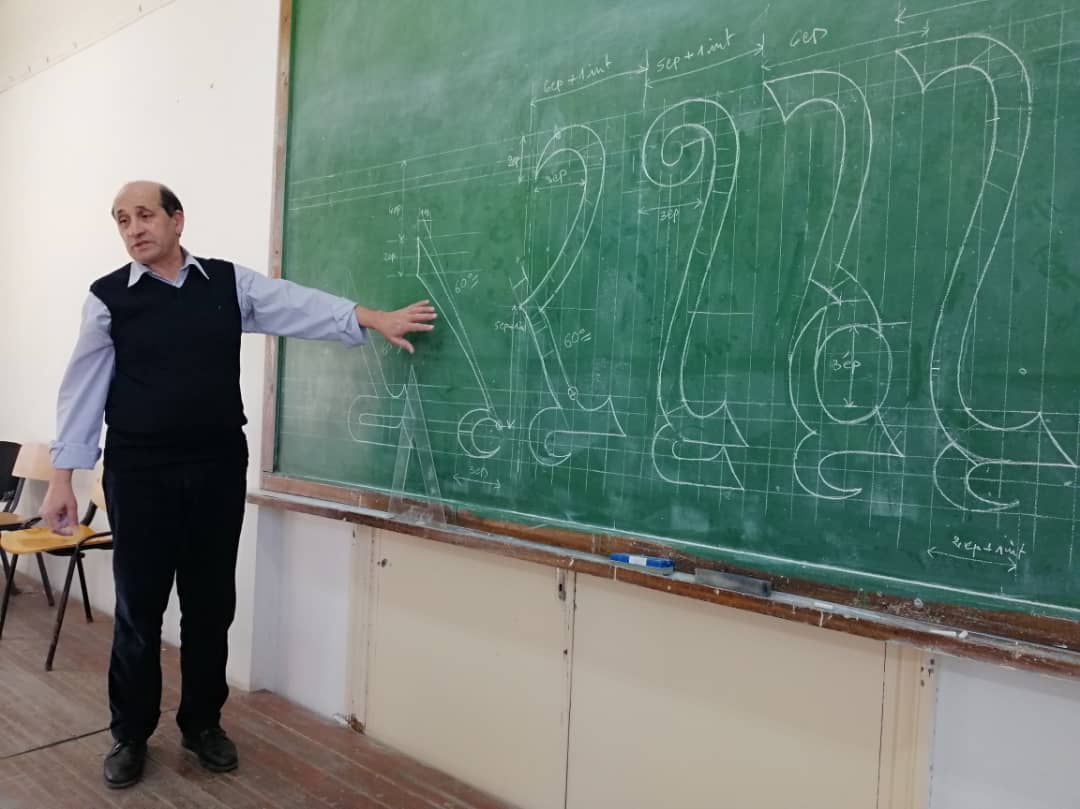
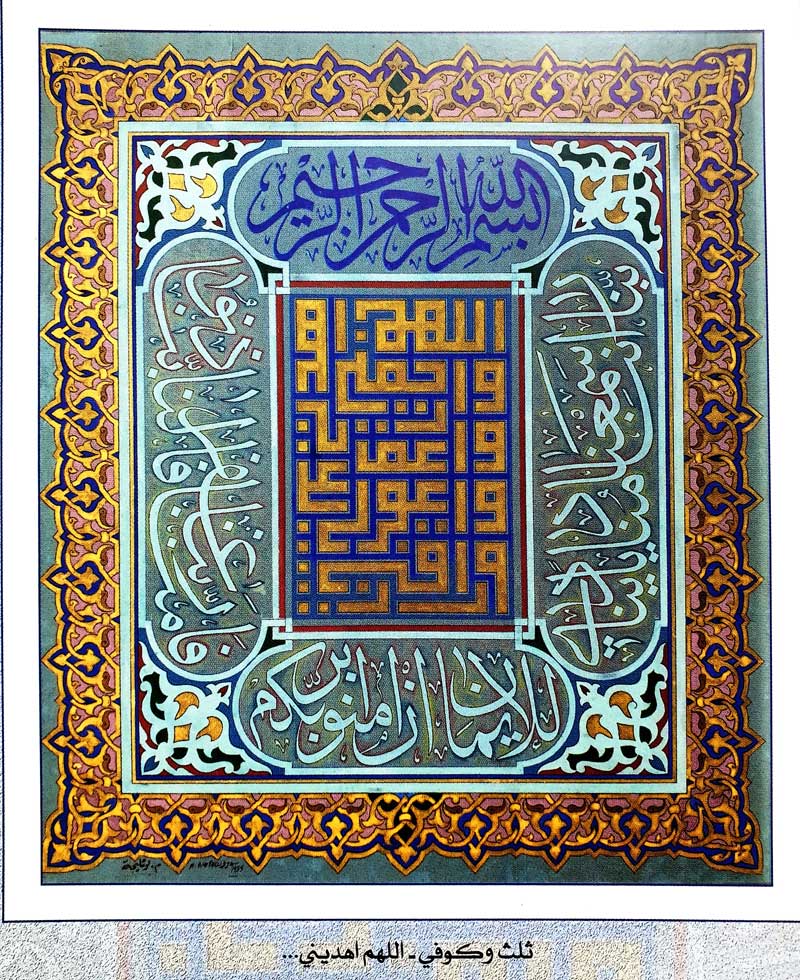
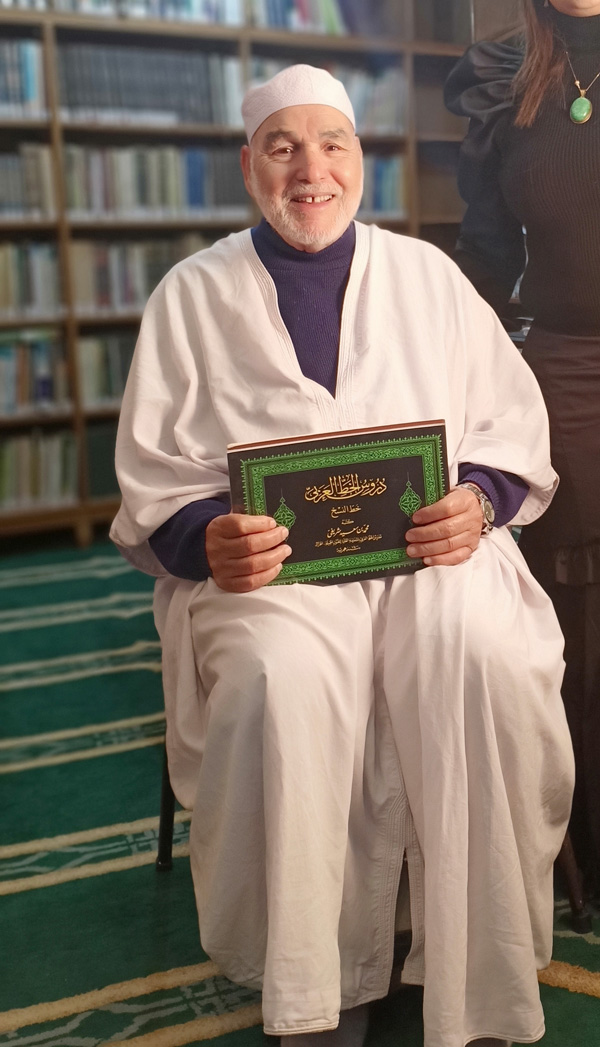
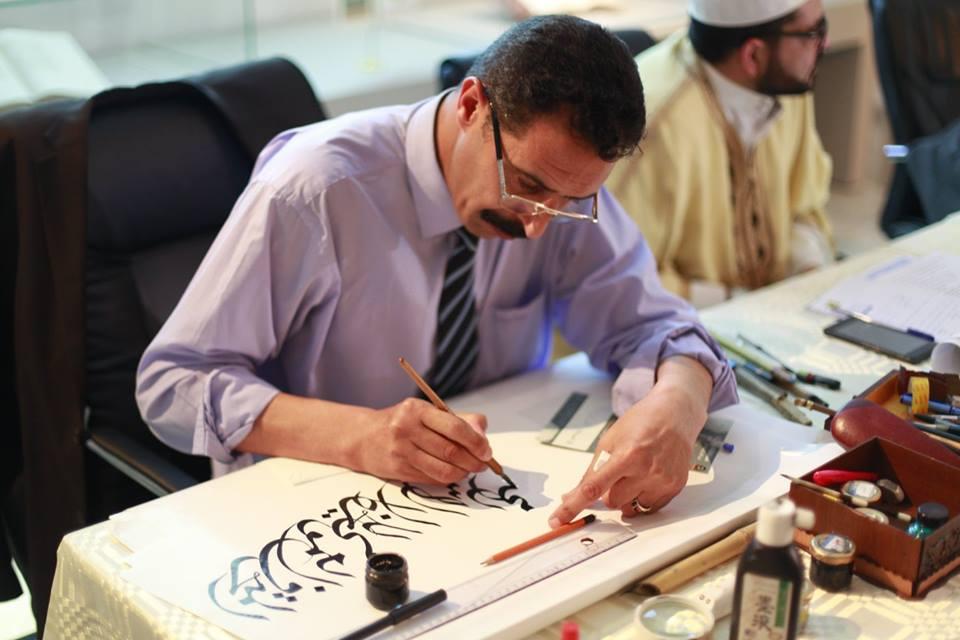
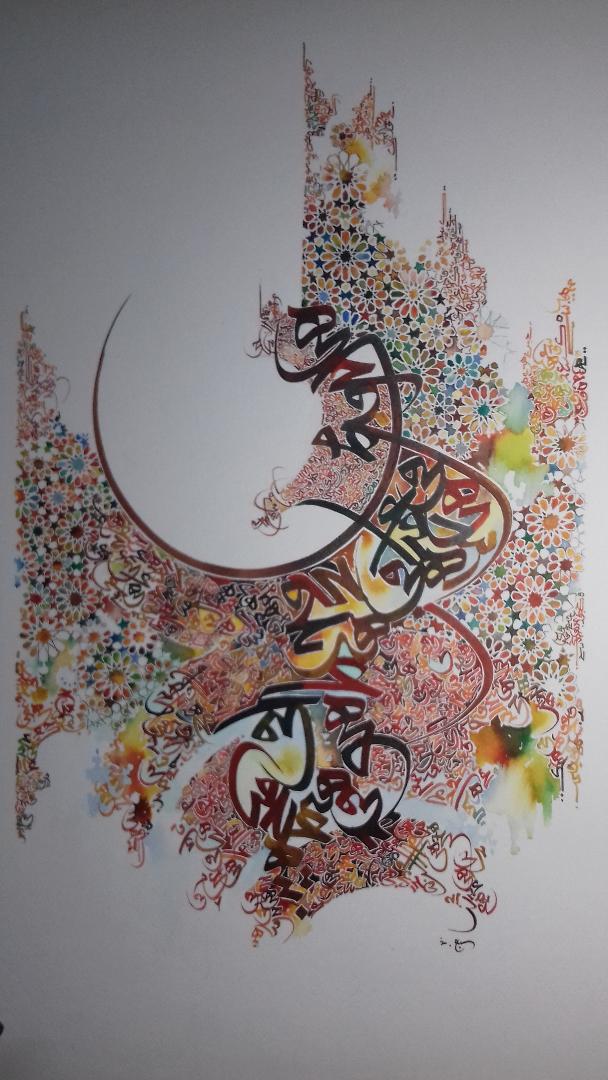
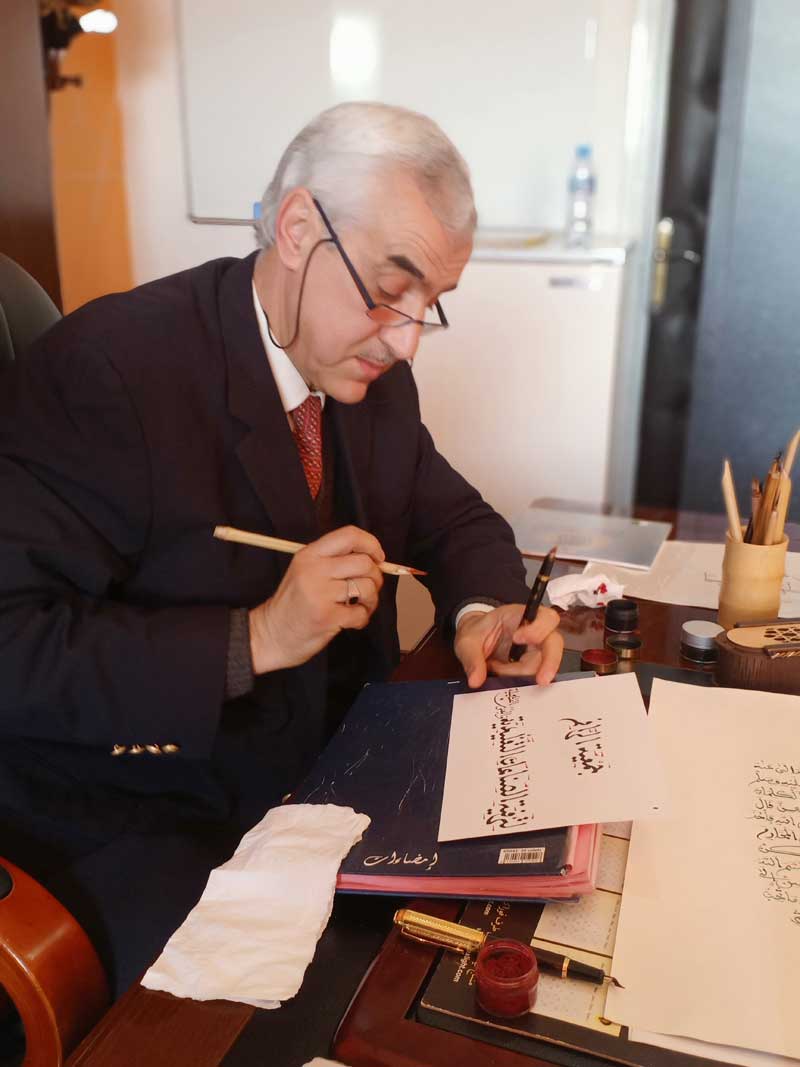
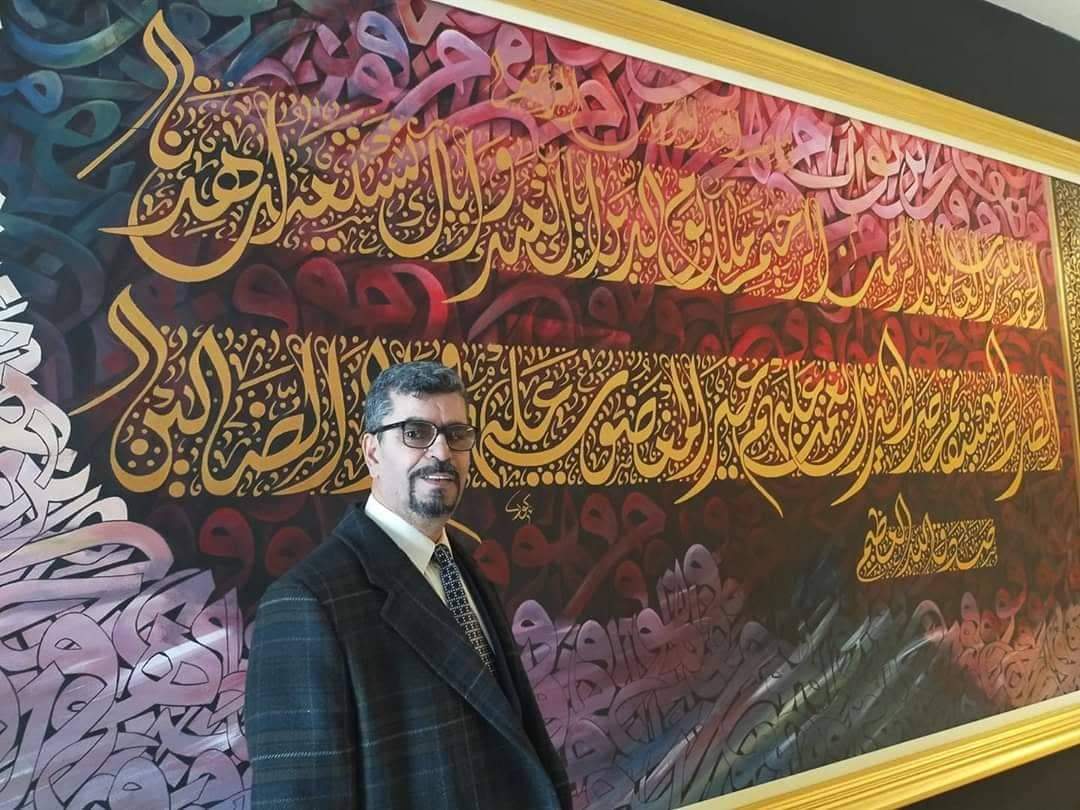
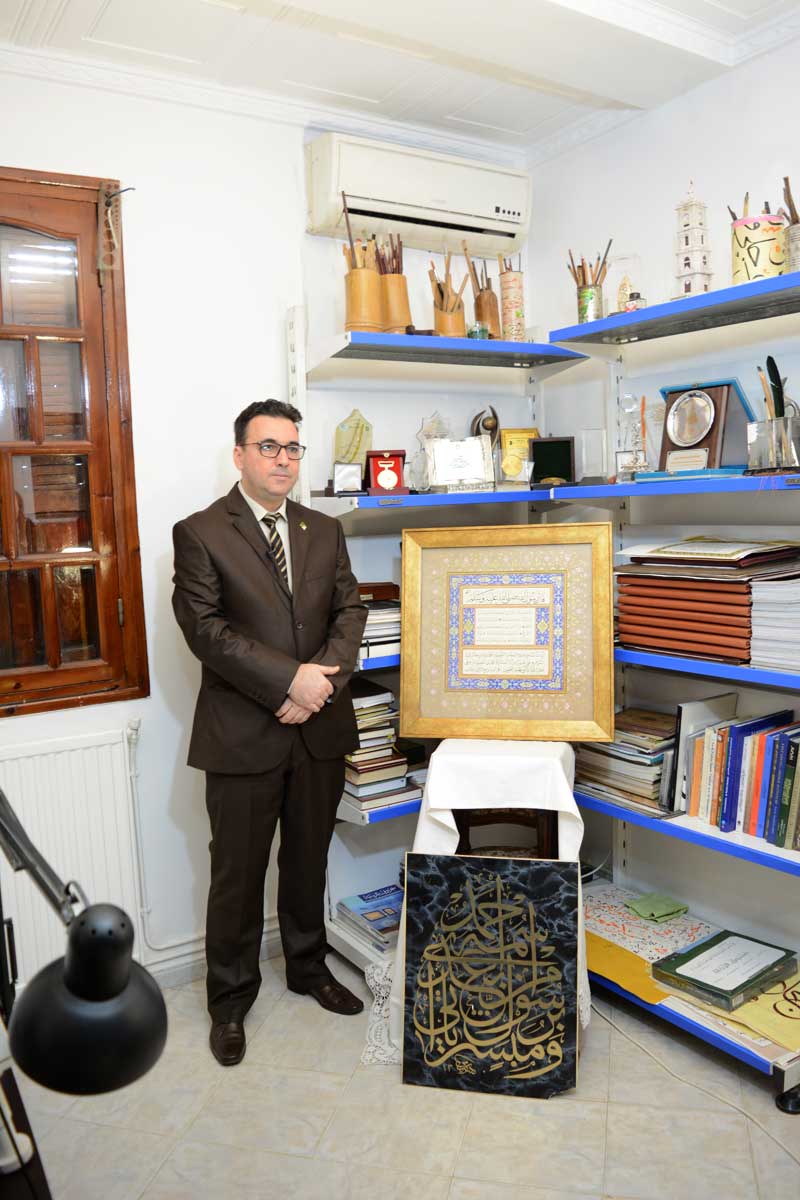
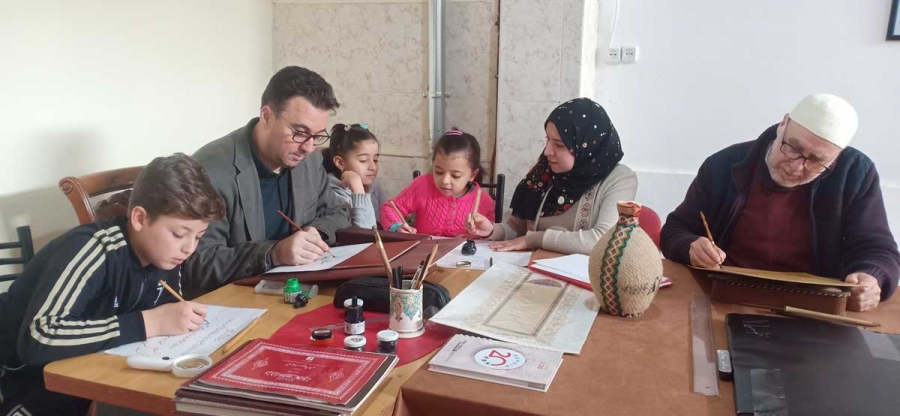
Arabic calligraphy is the artistic practice of handwriting Arabic script in a fluid manner to convey harmony, grace and beauty. The practice, which can be passed down through formal and informal education, uses the twenty-eight letters of the Arabic alphabet, written in cursive, from right to left. Originally intended to make writing clear and legible, it gradually became an Islamic Arab art for traditional and modern works. The fluidity of Arabic script offers infinite possibilities, even within a single word, as letters can be stretched and transformed in numerous ways to create different motifs. Traditional techniques use natural materials, such as reeds and bamboo stems for the qalam, or writing instrument. A mixture of honey, black soot and saffron is used for the ink, and the paper is handmade and treated with starch, egg white and alum. Modern calligraphy commonly uses markers and synthetic paint, and spray paint is used for calligraffiti on walls, signs and buildings. Artisans and designers also use Arabic calligraphy for artistic enhancement, such as for marble and wood carving, embroidery and metal etching. Arabic calligraphy is widespread in Arab and non-Arab countries and is practised by men and women of all ages. Skills are transmitted informally or through formal schools or apprenticeships.